Understanding Window Tint
What is Window Tint?
Window tint refers to a thin film applied to the glass of vehicles, homes, or properties that helps reduce glare, heat, and UV exposure. The process involves adhering a polyester-based film to the interior of windows, providing not only aesthetic benefits but also functional advantages. Typically available in varying degrees of darkness or lightness, window tint can be customized based on the specific needs and preferences of users. The film itself is made using a combination of dyes and metals, giving it distinct properties in terms of heat rejection and light filtration.
Benefits of Window Tinting
Applying window tint benefits both vehicle owners and homeowners alike. Below are some major advantages:
- Heat Rejection: One of the primary reasons for using window tint is to minimize heat inside a vehicle or home, leading to increased comfort and decreased reliance on air conditioning.
- UV Protection: Many window films can block up to 99% of harmful ultraviolet rays, protecting the skin from sun damage and preventing fading of interiors.
- Glare Reduction: Tints help reduce glare from sunlight and headlights, making driving safer and more comfortable during day and night.
- Privacy: Tinted windows provide a degree of privacy by preventing outsiders from easily viewing the interior spaces.
- Enhanced Aesthetics: In addition to functional benefits, window tinting improves the overall appearance of vehicles and homes.
Different Types of Window Films
Choosing the right window film is crucial for maximizing the benefits it can provide. Here are the main types you should consider:
- Dyed Window Film: This type of film uses dye to absorb solar heat. It provides good glare reduction and is economical, but it may fade over time.
- Metalized Window Film: This option reflects heat and sunlight due to its metallic components. It offers better durability and extends the life of your vehicle or property.
- Ceramic Window Film: Known for having superior thermal control, this non-metal film reflects heat without altering signal reception for phones or GPS devices.
- Carbon Window Film: Loved for its aesthetic appearance and heat rejection properties, it is less prone to fading and provides excellent UV protection.
Choosing the Right Window Tint Near Me
Factors to Consider When Selecting Tint
When searching for window tint near me, there are several factors to consider to ensure you make the best decision:
- Clarity and Quality: High-quality films maintain clarity and don't distort view. Look for reputable brands that use advanced technology.
- Warranty: A warranty can indicate confidence in the product. Look for films that offer extended warranties for issues such as peeling or fading.
- Heat Rejection Ratings: Pay attention to the specifications provided, especially the film’s heat rejection capabilities. Higher performance films may represent a higher initial investment but can lead to long-term savings in energy bills.
- Aesthetic Preferences: Consider the look that fits your style while adhering to local regulations. Different tints present different aesthetics.
Local Regulations and Tint Laws
Before applying window tint, familiarize yourself with local laws regarding tinting. Different states have varying regulations about the percentage of visible light transmission (VLT) allowed for different windows:
- Front Windshield: Some places allow only a specific tint level on the top of the windshield.
- Side Windows: Laws can differ significantly for front and rear side windows, with some areas permitting darker tints than others.
- Back Windows: These often have less stringent laws, with many states allowing complete darkness.
Finding Highly Rated Tint Providers
Finding reputable providers for your window tinting needs is crucial for achieving the best results. Here are some tips for identifying highly rated services:
- Online Reviews: Check platforms like Google, Yelp, and social media for customer feedback and reviews.
- Referrals: Ask friends, family, or coworkers if they can recommend a trusted provider.
- Portfolio: Look for providers who showcase their past work, providing insight into their experience and quality.
- Professional Affiliations: Membership in professional organizations can indicate a commitment to quality standards and customer satisfaction.
Installation Process of Window Tint
Pre-Installation Preparation Steps
Proper preparation is key to a successful window tint installation. Here are essential steps to follow:
- Clean Windows: Ensure that the windows are thoroughly cleaned and free of dirt, dust, and grime to help the film adhere properly.
- Choose the Right Film: Based on your needs and preferences, select the right window film type and shade.
- Temperature Consideration: Installation should ideally occur in moderate temperatures, as extreme weather can affect adhesion.
- Gather Supplies: Ensure you have tools such as a squeegee, utility knife, and spray bottle for proper application.
What to Expect During Installation
Being aware of the installation process can ease any concerns you may have. Generally, the steps include:
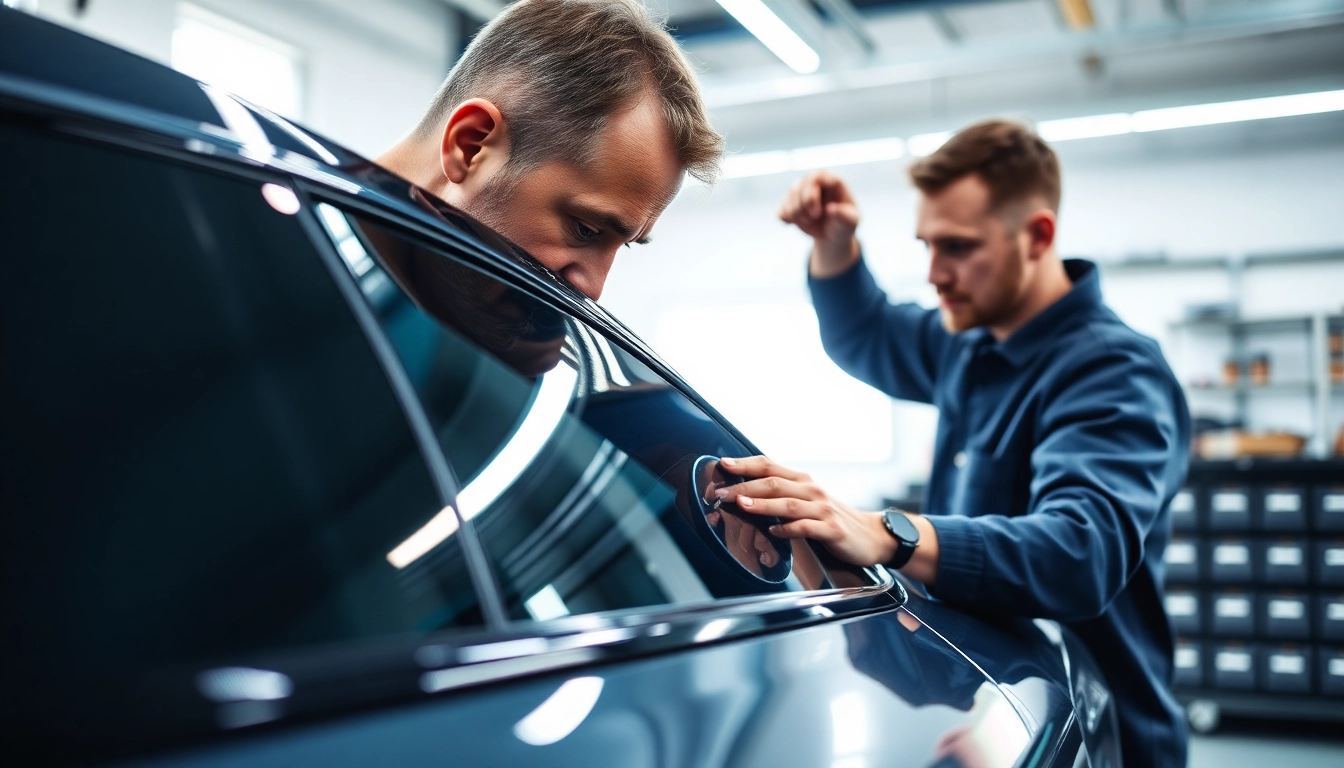
- Film Cutting: Professionals will measure and cut the film to fit the specified windows.
- Application: After prepping the surface, the film will be sprayed with a solution that allows for easier placement and adjustment.
- Smoothing: After applying the film, a squeegee will be used to eliminate air bubbles and ensure a smooth finish.
Post-Installation Care Tips
Maintaining window tint after installation is essential for longevity:
- Avoid Cleaning: Refrain from cleaning the windows for at least 48 hours to let the film cure properly.
- No Rolling Down Windows: Keep windows rolled up for the first few days to avoid stretching and damaging the film.
- Use Gentle Cleaners: When cleaning, use a soft cloth with non-abrasive cleaners to prevent scratches.
Common Challenges with Window Tinting
Air Bubbles and Their Solutions
Air bubbles are a common issue during the installation of window tint. They can usually be minimized or resolved by:
- Waiting: Many bubbles will dissipate as the film cures, requiring only patience after installation.
- Professional Assistance: If bubbles persist, contacting a professional for solutions is advisable.
- Gentle Pressure: Sometimes, gently pushing the bubble with a squeegee may help alleviate smaller bubbles.
Peeling or Fading Tint Issues
Peeling and fading can occur due to poor installation or subpar film quality. Preventive measures include:
- Investing in Quality Film: Higher-quality films are less prone to fading and peeling.
- Proper Installation: Hiring experienced professionals can minimize the risk of peeling.
- Regular Maintenance: Adhere to maintenance recommendations to prolong the tint's life.
Choosing the Right Tint for Your Climate
Your local climate influences the effectiveness of different types of window tint. Here’s how to choose wisely:
- Hot Climates: Opt for films that offer high heat rejection and UV protection.
- Cold Climates: A balance of heat retention and UV protection may be necessary to maintain comfort levels while using heating.
FAQs About Window Tint Near Me
How much does window tint cost?
The cost of window tint varies widely based on your vehicle, the type of film, and labor costs. Typically, it can range from $100 to $400.
Is DIY window tinting a good idea?
While DIY kits are available, professional installation often ensures better results, as it's challenging to achieve a seamless finish without experience.
How long does window tint last?
Quality window tints can last anywhere from 5 to 15 years, depending on the type of film and environmental factors.
Can I wash my car after window tinting?
It's recommended to wait at least 48 hours before washing your car to allow the tint to adhere properly and avoid peeling.
What happens if window tint bubbles?
Air bubbles are usually temporary; they may disappear as the tint cures. If not, consult a professional to address the issue effectively.