How to Set Up Your Home Office Environment
With the rise of remote work, creating an efficient home office is more important than ever. Setting up the perfect environment involves several factors, from location to aesthetics. It’s crucial to ensure that your workspace fosters productivity while meeting personal preferences. Knowing How to properly structure your office can make a significant difference in your work performance.
Choosing the Right Location
One of the first steps in creating your home office is selecting an ideal location within your home. Ideally, it should be a quiet area with minimal distractions. Consider the following:
- Privacy: Choose a place where you can focus without interruptions from family members or household activities.
- Noise Levels: Find a room that is naturally quieter, away from street noise or noisy appliances.
- Ventilation: A well-ventilated space contributes to comfort, allowing you to work efficiently for longer periods.
Additionally, think about proximity to resources like a bathroom, kitchen, and other necessities to avoid constant interruptions.
Essential Furniture for Comfort
Investing in quality furniture can greatly enhance both comfort and productivity. Key pieces include:
- Ergonomic Chair: A chair that promotes good posture and provides lumbar support is crucial for long hours of work.
- Adjustable Desk: Standing desks or adjustable desks support various working positions, reducing physical strain.
- Storage Solutions: Shelving, filing cabinets, and desk organizers help keep essential items within reach and eliminate clutter.
Remember, the right furniture can significantly reduce fatigue and ergonomic issues, promoting better focus and output.
Aesthetic Considerations for Focus
An aesthetically pleasing workspace can inspire creativity and keep motivation high. Here are some suggestions:
- Color Schemes: Choose calming colors like blues and greens for walls and decor to reduce stress and enhance concentration.
- Decorative Elements: Incorporate art, inspirational quotes, or mood boards that resonate with your personal style and increase positivity.
- Functional Layout: Arrange furniture logically to encourage movement and keep your workflow uninterrupted.
Creating an inviting atmosphere can heighten your enthusiasm for work and help maintain long-term focus.
How to Organize Your Workspace Efficiently
Once your environment is set up, keeping it organized is essential for sustained productivity. An orderly workspace minimizes distractions and promotes efficiency.
Decluttering Tips for a Clean Desk
A clean desk fosters clarity of thought and creativity. Consider the following decluttering strategies:
- Daily Cleaning Ritual: Spend a few minutes at the end of each day tidying up your desk.
- Minimalism: Only keep items that serve a purpose or inspire you. Regularly assess what you need on your desk.
- Go Digital: Reduce physical paperwork and switch to digital solutions whenever possible.
Implementing these tips will allow you to focus better on tasks, without the stress of clutter.
Storage Solutions for a Tidy Space
Efficient storage solutions make it easier to maintain an organized workspace. Here are some ideas:
- Drawer Organizers: Use these to categorize and store office supplies, avoiding chaos.
- Wall-mounted Shelves: These can maximize vertical space and keep frequently used items at eye level.
- File Storage Systems: Implement a labeling system for physical documents to streamline access and retrieval.
By taking control of your storage, you can easily keep your workspace streamlined and efficient.
Using Technology to Stay Organized
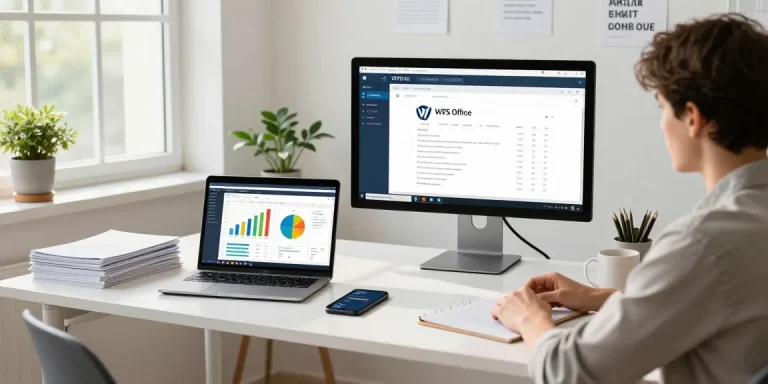
In today’s digital world, leveraging technology for organization can substantially enhance productivity. Consider utilizing:
- Task Management tools: Applications like Trello or Asana can help you keep track of projects and deadlines.
- Calendar Apps: Utilizing a digital calendar can help visualize tasks, meetings, and breaks, promoting better workload management.
- Cloud Storage: Services like Google Drive or Dropbox allow you to access files from anywhere, reducing paper clutter.
Embracing these technologies can lead to a more efficient workflow, keeping everything at your fingertips.
How to Incorporate Effective Lighting
Lighting plays a critical role in a home office, influencing both mood and productivity. Proper lighting can reduce eye strain and keep you energized.
Natural Light: Benefits and Sources
Natural light has been linked to improved mood and productivity. To make the most of it:
- Position Your Desk: Place your desk near windows to maximize exposure to natural light.
- Use Light Curtains: These can diffuse harsh sunlight while still allowing natural light to enter.
- Take Breaks Outside: Incorporate short breaks outdoors to benefit from natural sunlight and fresh air.
Integrating natural elements can greatly enhance mental well-being and improve work performance.
Artificial Lighting Options
While natural light is splendid, artificial lighting is essential for evening or cloudy days. Consider the following:
- Task Lighting: A desk lamp offers focused light for reading and writing, reducing eye strain.
- Ambient Lighting: Ceiling lights or floor lamps can provide overall light for your work area without being too harsh.
- Adjustable Lamps: These allow you to change brightness and direction, catering to various tasks and preferences.
Providing multiple light sources helps reduce fatigue and increases comfort.
Lighting Tips for Virtual Meetings
Effective lighting is crucial during virtual meetings. Here are practical tips:
- Front Lighting: Position lights in front of you to illuminate your face, avoiding shadows.
- Soft Light: Use diffused lighting to achieve a professional look without being overly bright.
- Camera Angle: Angle the camera to capture your best profile while ensuring the lighting is even.
Proper lighting for virtual appearances can significantly enhance how you are perceived in professional settings.
How to Maintain Comfort and Ergonomics
Comfort and ergonomics should be prioritized to prevent fatigue and musculoskeletal issues while working from home.
Chair and Desk Height Adjustments
Finding the right chair and desk height is essential for comfort. Keep these factors in mind:
- Chair Height: Your feet should be flat on the floor, and your knees at a right angle when seated.
- Desk Height: Your elbows should be at a similar height as your desk to avoid strain while typing.
- Monitor Position: Align the top of your screen to eye level to avoid neck strain and promote a more natural posture.
Adjusting your setup can greatly improve your comfort while working, allowing for extended periods of focus without discomfort.
Stretching and Rest Breaks
Incorporating stretching and breaks into your routine can combat fatigue. Consider the following tips:
- Set Timers: Use apps or timers to remind you to stand and stretch every hour.
- Simple Stretching Routines: Incorporate basic stretches such as neck rotations and wrist stretches throughout the day.
- Engage in Movement: Use breaks to walk around your house to keep circulation flowing and maintain energy levels.
Regular breaks and stretching can help maintain focus and prevent crafting fatigue.
Tech Solutions for Better Posture
Technology can support your ergonomic practices. Look into:
- Posture Monitoring Apps: These can remind you to sit up straight and adjust your posture.
- Smart Desks: Some models come equipped with sensors that suggest when to stand or sit.
- Wearable Devices: Fitness bands can help you monitor activity, reminding you to move during work hours.
Using tech to enhance your posture can result in fewer discomfort-related breaks and better overall productivity.
How to Enhance Productivity with Personal Touches
Personalization can enhance your connection to your workspace, motivating you to perform at your best. Consider these aspects when personalizing your office.
Personalizing Your Workspace for Inspiration
Your workspace should reflect your personality and inspire motivation. Think about:
- Meaningful Decor: Include items that hold sentimental value or inspire creativity, such as photographs or awards.
- Customized Layout: Arrange your workspace in a way that feels comfortable and conducive to your workflow.
- Personal Quotes: Display quotes that resonate with you to boost positivity throughout the day.
A personalized workspace creates a connection that can enhance motivation and productivity.
Plants and Their Impact on Focus
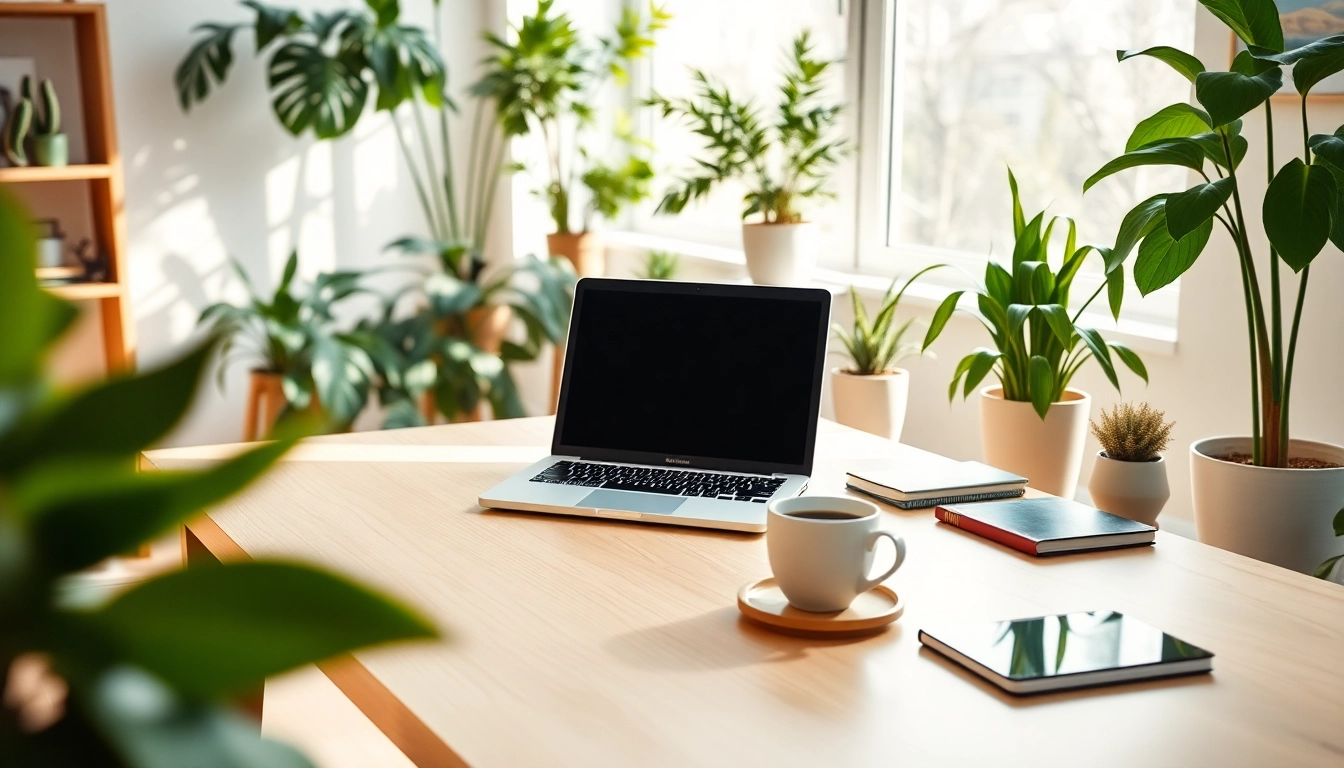
Adding greenery can vastly improve your workspace’s aesthetic and mental benefits. Consider the following:
- Indoor Plants: Utilize low-maintenance plants that purify the air and create a calming atmosphere, such as pothos or snake plants.
- Color and Texture: Diversity in plants adds texture, creating a soothing environment that can promote relaxation and focus.
- Greenery Benefits: Studies show that having plants nearby can reduce stress and improve concentration.
Introducing plants can greatly contribute to a more vibrant workspace that fosters overall well-being.
Integrating Fun Elements into Design
Incorporating fun elements into your workspace can further enhance creativity. Consider the following:
- Themed Decor: Use quirky items or themes that reflect your interests and hobbies.
- Flexible Spaces: Create areas where you can break away from the traditional desk, such as bean bags or lounge chairs for reading.
- Gamification: Incorporate game-like elements into your productivity tasks, creating a more enjoyable environment.
Adding elements of joy can lighten the mood and make work more enjoyable.
FAQs
What is the best furniture for a home office?
Invest in ergonomic chairs, adjustable desks, and essential storage solutions to create a comfortable and efficient workspace.
How can I improve lighting in my office?
Maximize natural light, use task lighting for focused work, and ensure that all light sources are properly positioned to reduce glare.
What are some tips for maintaining good posture?
Adjust your chair and desk height, take regular breaks to stretch, and use tech solutions like posture monitoring apps.
How can I organize my workspace effectively?
Declutter regularly, utilize storage solutions, and use technology for task management to maintain organization.
Why should I personalize my workspace?
A personalized workspace enhances your connection to your environment, boosts motivation, and enhances overall productivity.
About the Author